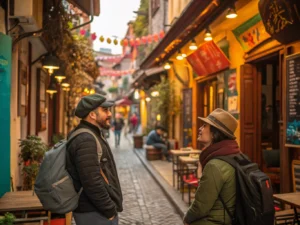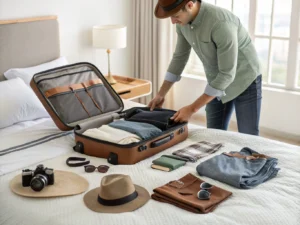
The difference between a forgettable trip and one you talk about for years usually comes down to a few small decisions. The best insider travel tips are not about spending more or packing a minute-by-minute itinerary. They are about seeing a place with sharper eyes, making better use of your time, and leaving room for the kind of moments that never show up in a brochure.
A long weekend, a family break, or a couple’s getaway feels richer when it includes one meal you still think about later, one neighborhood that surprises you, and one experience that feels personal instead of prepackaged. That is where insider thinking changes the whole rhythm of a trip.
Why Insider Tips Matter
Tourist basics exist for a reason. Major sights are often worth seeing, and first-time visitors should not feel guilty about wanting the classics. But a trip built only around the obvious can start to feel cut/paste from the internet. The same crowded photo stops, the same chain restaurants near attractions, the same feeling of rushing without really connecting.
Insider travel tips help you move beyond that pattern. They push you a little closer to the local pace of a destination, whether that means choosing the quieter entrance to a popular site, timing your visit around neighborhood life instead of peak crowds, or reserving space for a market, waterfront walk, or tucked-away cafe that gives a place its personality.
This approach is also practical. Better timing can save hours. Better location choices can cut transit stress. Better research can help you avoid overpriced experiences that look good online but feel flat in person.
Start with Neighborhoods, Not Landmarks
One of the most useful insider travel tips is to plan around neighborhoods first and attractions second. Travelers often build an itinerary by dropping pins on famous sites, then realize too late that they are zigzagging across a city with no real sense of place.
A neighborhood-first approach creates a more natural day. You might still visit the museum, viewpoint, or historic district on your list, but you connect it to the nearby coffee shop, market street, park, or local lunch spot that gives the area texture. Suddenly the day feels less like checking boxes and more like being there.
This works especially well for short trips. If you only have two or three days, staying focused on one section of a city at a time gives you more energy and a better chance of spontaneous discovery. It also leaves space for the details travelers remember most, like a bookstore, sunset promenade, or tiny bakery with a line out the door.
Timing Matters
Many travel frustrations are really timing problems. The same beach, square, or scenic road can feel magical at one hour and exhausting at another.
An insider mindset asks a different question. Not just what should I see, but when does this place feel best? The answer depends on the destination. In warm-weather cities, early morning often brings cooler air, softer light, and fewer people. In nightlife or dining, the energy may not show up until later. In historic centers, weekday afternoons can feel calmer than weekends.
There is a trade-off here. Off-peak timing may mean a quieter experience, but it can also mean fewer open businesses or less atmosphere in some areas. A sunrise visit to a landmark might be peaceful, while a market is better when vendors are fully set up and locals are actually shopping. The point is not to avoid crowds at all costs. It is to match your timing to the kind of experience you want.
Book Less
A full itinerary can look impressive before departure and feel exhausting by day two. One of the smartest insider travel tips for modern travelers is to protect open space in your schedule.
Leave part of each day unplanned. That is where the trip gets personal. You notice a trail you want to follow, a live music venue that was not on your radar, or a neighborhood you want to revisit after dinner. When every hour is spoken for, those opportunities disappear.
This matters even more for families and working professionals squeezing travel into limited time off. Rest is part of the value of a trip. So is flexibility. If weather changes, a child gets tired, or you stumble into a spot worth lingering in, a lighter schedule gives you room to adapt without feeling like the whole plan has fallen apart.
The Main Event
Not every meal needs to be unforgettable. Not every activity needs to be exclusive. But most trips benefit from one standout experience you commit to in advance.
Maybe that is a beautifully designed boutique stay, a guided food experience, a scenic rail ride, a family-friendly boat excursion, or dinner somewhere with a view you cannot recreate at home. Choosing one signature moment gives the trip shape. It also helps you spend intentionally instead of making a dozen small, forgettable splurges.
This is where Places We Go Insider naturally speaks to what many travelers want now: not more noise, but better curation. A well-chosen experience can elevate an entire getaway.
Talk to the Locals
Front desk staff, market vendors, baristas, neighborhood shop owners, and tour guides often know more than any listicle ever will. The key is asking better questions.
Instead of asking for the best restaurant in town, ask where they go for a relaxed dinner with friends. Instead of asking what tourists should do, ask what feels especially good this week, this season, or at sunset. Those small shifts often lead to more honest answers.
Of course, advice is personal. A local’s favorite late-night music spot may be perfect for one traveler and all wrong for another. Use conversations as a filter, not a command. The best recommendations are the ones that fit your pace, budget, and interests.
Go with Your Flow
This is one of the most underrated insider tips because it sounds almost too simple. Plan around how you actually move through a day.
If you are an early riser, put your big scenic outing first and save a long lunch for later. If your family gets cranky when lunch is late, anchor the day around an easy midday reset. If evenings are when you come alive, do not waste them recovering from an overstuffed morning.
Travel gets better when your itinerary works with your energy instead of fighting it. Ambitious plans look good on paper, but a well-paced day usually feels more luxurious, even on a modest budget.
When to Splurge
Insider travel is not always about saving money. Sometimes it is about knowing where an upgrade actually matters.
A centrally located hotel may cost more, but save enough transit time to give you an extra evening stroll and a relaxed breakfast. A skip-the-line entry can be worth it on a short trip, but unnecessary if you are traveling in shoulder season. A car rental may open up hidden beaches or small towns in one destination and be a complete hassle in another.
The rule is simple: spend where it buys time, ease, or access. Cut back where you will barely notice the difference.
Final Thought
The next time you plan a getaway, leave a little room for the side street, the second recommendation, the slower morning, and the place that was not famous until it became yours.