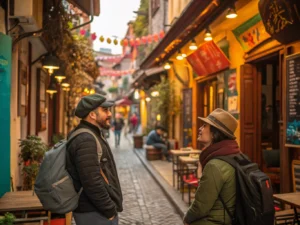
The best trip stories are rarely about checking off the most famous attraction. They are about the bakery owner who remembers your order, the quiet trail that made everyone put their phones away, or the neighborhood meal that changed how you see a place. These responsible travel tips for beginners can help you plan those richer moments while treating the communities, cultures, and landscapes that make travel worthwhile with real care.
It means making thoughtful choices where you can: spending with local businesses, respecting the rhythms of a destination, and avoiding the small habits that leave a big footprint when millions of visitors repeat them.
Intentional Itinerary
A packed schedule can look impressive on paper, but it often leaves little room to notice where you are. Rather than racing between eight landmarks, choose a few experiences that genuinely interest you and build breathing room around them. A slower pace can mean fewer transportation emissions, less stress, and more opportunities to stumble into the details that make a destination feel personal.
For a long weekend, that might mean staying in one walkable area instead of changing hotels, reserving one guided experience with a local expert, and leaving an afternoon open for a market, museum, park, or café. Families may need more structure, while couples and solo travelers may prefer more flexibility. Either way, a realistic itinerary is usually a more respectful one.
Before you book, consider the season as well. Visiting a beloved coastal town or national park during peak periods can contribute to crowding and pressure on local resources. The shoulder season often offers a better balance: pleasant weather, smaller crowds, and a stronger chance that your spending supports businesses beyond their busiest weeks.
Spend Locally
Where your money goes is one of the clearest ways to shape your impact. Big chains can be convenient, especially when you are arriving late or traveling with kids, but try to make room in your plans for independently owned restaurants, neighborhood shops, local guides, and makers.
That does not mean every dollar must be spent at a tiny business. Convenience has value, and travel budgets are real. The goal is to be intentional with a portion of your spending. Book a family-run cooking class, pick up snacks from a local market, choose a guide who lives in the area, or buy a useful handmade item directly from the person who created it.
Be mindful of what you buy. Avoid products made from endangered wildlife, protected coral, ancient artifacts, or materials that appear illegally harvested. If you are unsure, skip it. The most meaningful souvenir may be a regional food product, a book by a local author, a textile from a verified artisan, or photos from an experience you will remember long after the suitcase is unpacked.
Respect the Culture
Cultural experiences deserve care. Ask before photographing people, particularly in places of worship, markets, rural communities, or ceremonies. Learn whether clothing expectations apply, and follow them even if you are only visiting briefly. Curiosity is welcome. Entitlement is not.
Travel Lighter
You do not need a closet full of specialty gear to reduce waste on the road. Start with what you already own and focus on a few repeatable habits. A reusable water bottle, tote bag, refillable toiletries, and a small container for snacks can prevent a surprising amount of single-use waste.
Pack enough to avoid emergency purchases, but not so much that every move becomes difficult. Lighter luggage makes trains, public transit, and walking more practical. It can also help you avoid checked-bag fees and the temptation to take a taxi for a distance you could comfortably walk.
Respect the Area
Visitors often see a destination at its most beautiful. Residents see it on school mornings, trash days, during water shortages, and after a busy festival weekend. Keeping that perspective changes everyday behavior.
Stay on marked trails, especially in fragile dunes, desert areas, and alpine environments. Do not stack rocks, carve names, pick wildflowers, or take shells from protected areas. What feels small in one person’s hands becomes damaging when repeated by thousands.
Watch your volume late at night, keep doorways clear, and follow local parking and trash rules. If you are staying in a vacation rental, remember that you are entering a residential area, not a resort zone. Supporting accommodations that comply with local regulations can help communities retain housing and maintain the character visitors came to enjoy.
A few simple habits make a difference:
- Carry out trash when bins are full or unavailable.
- Refill water when local tap water is safe to drink.
- Use towels and linens more than once during short stays.
- Keep music, drones, and bright lights away from quiet natural spaces.
- Learn a few basic local phrases, including hello, thank you, and excuse me.
Remember – You’re a Guest
A little preparation creates more confident, considerate travel. Read about local customs, current conditions, and any community concerns before arriving. If a destination is dealing with drought, for example, shorter showers and thoughtful laundry use matter. If an area has limited public transit, booking a small-group tour or sharing a ride may be more practical than renting multiple cars.
If you make a mistake, adjust without defensiveness. Maybe you unknowingly entered a private area, used an inappropriate phrase, or booked an activity that did not feel right once you arrived. Listen, apologize when needed, and make a different choice next time. Responsible travel is a practice, not a label.
Final Thoughts
The most rewarding trips sharpen your sense of connection. Give credit to local businesses and guides and describe destinations as communities rather than backdrops.
Be a traveler who – explores with curiosity and moves with respect.