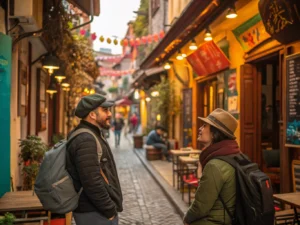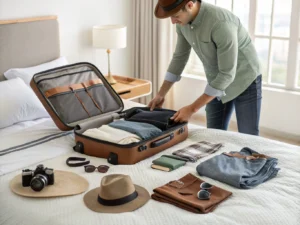
Picture two versions of the same trip. In one, you step off the plane with a local guide, a small group of fellow travelers, and a thoughtfully mapped-out day ahead. In the other, you follow the scent of fresh pastries down a side street, change plans on a whim, and stay longer because a neighborhood feels too good to leave. The choice between group tours vs solo planning is not about which style is better. It is about which one gives you more of what you want from this particular escape.
For a long weekend, a first visit to a faraway destination, or a much-needed reset from routine, the right approach can turn a good trip into a story you will keep telling.
When a Group Tour Makes Travel Feel Easier
A group tour brings structure to the parts of travel that can feel uncertain: transportation, timing, reservations, language barriers, and deciding what is actually worth your limited vacation days. Rather than spending your evening comparing train schedules or reading dozens of restaurant reviews, you can focus on the experience in front of you.
This is especially appealing when you are visiting a destination with complicated logistics, packed itineraries, or cultural nuances you do not want to miss. A knowledgeable guide can turn an old city street, a local market, or a historic site into something far richer than a photo stop. You get context, stories, and often access to places or people that are harder to find alone.
A group tour may be the right fit if you want:
- A clear itinerary and fewer decisions before and during the trip
- Built-in transportation, guides, and planned experiences
- A more comfortable way to visit an unfamiliar destination
- The chance to meet travelers who are also ready to explore
- Help maximizing a short vacation window
For couples, families, and busy professionals, that convenience can be worth a great deal. Planning takes time, and time is often the one thing a getaway is meant to restore.
The social side is more valuable than it sounds
Travel can make new connections feel surprisingly natural. You may share a table after a vineyard visit, swap recommendations with another family, or find a walking partner for an afternoon in a city you both love. The best group tours leave room for those spontaneous moments while making sure no one has to navigate the essentials alone.
That said, group chemistry matters. A large motorcoach itinerary, an active small-group adventure, and a food-focused city tour create very different experiences. Look closely at group size, pace, included activities, age range, and how much free time is built in. “Guided” should not mean every hour feels scheduled.
Where Solo Planning Shines
Solo planning gives you the freedom to make a trip feel entirely your own. You can wake up slowly, skip the popular museum, spend an afternoon at the beach, or build a day around a bookstore, a scenic drive, and one unforgettable meal. There is no need to negotiate priorities or keep pace with anyone else.
This style is perfect for travelers who enjoy research and see planning as part of the fun. Finding a lesser-known neighborhood, choosing a family-run inn, or tracing out a route beyond the usual roads can create a more personal relationship with a destination. Your itinerary is not just efficient. It reflects your curiosity.
Solo planning can be especially rewarding for repeat visits. Once you have covered the essential sights, you can follow smaller interests: regional food, architecture, hiking trails, live music, antique shops, or the kind of local café where an unhurried morning becomes the highlight of the day.
Freedom also comes with responsibility
The trade-off is that you are the one making every decision. You will need to consider transportation, reservations, opening hours, safety, weather, cancellation terms, and backup options when plans shift. That does not have to feel overwhelming, but it does require attention.
A self-planned trip often works best when you have enough time to slow down. If you only have three days in a destination with a long airport transfer and several must-see places, too much flexibility can become stressful. The goal is not to fill every hour. It is to create a trip that still feels relaxed once real life, jet lag, and unexpected detours enter the picture.
Group Tours vs Solo Planning: Compare What Matters
The most useful way to choose between group tours vs solo planning is to compare the factors that shape your actual experience, not just the price on the first screen.
Cost: Group tours can look more expensive upfront, but they may include transportation, entrance fees, guides, some meals, and accommodations. Solo planning can offer more control over your budget, especially if you are flexible with lodging and dining. Still, separate bookings and last-minute decisions can add up quickly.
Flexibility: Independent travel wins if you want to change plans daily. Tours offer less freedom, although well-designed small-group trips often build in open afternoons or optional excursions.
Local insight: An excellent guide can offer history, cultural context, and trusted local knowledge that is difficult to recreate with a search bar. Independent travelers can find wonderful discoveries too, but it takes more time and a willingness to occasionally get it wrong.
Comfort level: A group tour can make a first international trip, a multigenerational vacation, or a destination with a language barrier feel more approachable. Solo planning may feel more fulfilling if you are confident navigating new places and enjoy the challenge.
Pace: Tours are often designed to help you see more. Independent itineraries make it easier to see less, but experience it more deeply. Neither is automatically superior. It depends on whether this trip is about breadth, rest, connection, or a particular passion.
The Best Option May Be a Blend
You do not have to choose one travel identity forever. Some of the most memorable trips combine independent time with a few carefully selected tours. Book a food walk on your first evening to get oriented, then spend the next day following your own appetite. Join a guided hike in a national park, but leave the surrounding days open for scenic drives and quiet mornings. Take a city tour to understand the history, then return to the neighborhood that caught your attention.
This hybrid approach is particularly useful for families and couples with different travel styles. One person may love a detailed plan while another wants room for surprise. A shared anchor activity can create confidence without turning the whole trip into a schedule.
It also helps travelers move beyond generic sightseeing. A local-led experience can point you toward the stories, flavors, and hidden corners worth lingering over, while free time gives you space to make those discoveries your own.
Questions to Ask Before You Book
Before committing, be honest about what you want to feel when you return home. Do you want to feel refreshed, accomplished, inspired, connected, or proud that you navigated somewhere new? Your answer matters more than whether a trip looks impressive on social media.
Consider these practical questions:
- How many days do you actually have, including travel time?
- Is this a destination where logistics could take energy away from the experience?
- Do you enjoy researching, booking, and troubleshooting details?
- Would shared experiences add to the trip or make it feel less personal?
- Are there one or two activities where a local guide would make the day more meaningful?
Also leave room for the unexpected. A delayed flight, rainy afternoon, or restaurant recommendation from a local should not derail the whole experience. Whether you travel with a group or set out with your own plan, a little breathing room is often where the best memories begin.
Choose the style that lets you be present when the view opens up, the music starts, or the table fills with something delicious and unfamiliar. The best trip is not the one planned perfectly. It is the one that brings you home with a fresh perspective and a few stories that feel entirely yours.