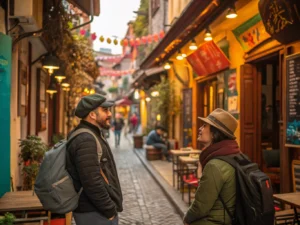
The best trips rarely come from packing every hour with attractions. They come from knowing where to leave space: for the bakery that smells too good to pass, the beach road that leads somewhere unexpected, or the conversation that changes how you see a place. These vacation itinerary examples offer a starting point for trips that feel well planned without feeling overplanned.
A memorable itinerary should match the reason you are traveling. A couple may want long dinners and one unforgettable view. A family may need a slower morning and a reliable afternoon activity. A weekend explorer may simply want to come home with a new story. Use these ideas as flexible frameworks, then make room for the places that surprise you.
Vacation Itinerary Examples for Every Kind of Escape
1. The three-day city break
A city weekend works best when you choose one neighborhood or theme for each day instead of racing across town. Arrive Friday afternoon, check in, and take an easy walk through a nearby historic district. Save the first evening for a local restaurant, a cocktail bar, or live music within walking distance of your hotel.
On Saturday, begin with a signature experience: a food market, architecture tour, museum, or waterfront bike ride. Spend the afternoon wandering a less obvious neighborhood with independent shops, galleries, and cafés. Sunday should stay light. Brunch, one final cultural stop, and an unhurried trip home is often more satisfying than squeezing in three more sights.
This itinerary is ideal for couples, friends, and solo travelers. The trade-off is that you will not see every landmark, but you will experience the city with more texture.
2. The restorative coastal weekend
For a beach or lakeside getaway, resist the urge to treat relaxation as empty time. Give the days a gentle rhythm. On arrival day, settle in before sunset and find a casual seafood spot or patio with a view. The goal is to feel the shift from daily routine as soon as possible.
Build the next day around the water, whether that means a morning paddle, a sailing excursion, a quiet stretch of sand, or a scenic drive along the coast. Plan a late lunch, then leave the evening open for a golden-hour walk and dinner somewhere locals recommend.
On the final morning, visit a small-town bakery, lighthouse, harbor, or nature preserve before heading home. This is one of the easiest vacation itinerary examples to adapt for families: swap the long dinner for mini golf, an ice cream stop, or a beach bonfire.
3. The food-first long weekend
Some destinations are best understood one plate at a time. A food-focused itinerary is not about booking a fancy meal for every hour. It is about mixing one or two planned reservations with the small discoveries that make a place feel personal.
Choose a different food experience each day:
- Start with a neighborhood breakfast spot known for one local specialty.
- Book one standout dinner where the setting is as memorable as the menu.
- Visit a market, farm stand, brewery, winery, or cooking class.
- Leave one meal entirely unscheduled for the recommendation you hear from a bartender, shop owner, or tour guide.
Balance richer meals with movement. A walking tour, garden visit, or afternoon bike ride gives the trip breathing room. This kind of escape suits travelers who want culture without a museum-heavy schedule, and it can turn an ordinary long weekend into a collection of tastes you will remember long after the suitcase is unpacked.
4. The family trip with room to breathe
Family vacations can become exhausting when every day begins with a checklist. A better approach is to plan one anchor activity per day and let everything else stay flexible. The anchor could be a zoo, aquarium, theme park, national park hike, children’s museum, or boat tour.
In the morning, tackle the activity that needs the most energy or has timed entry. Return to your hotel or rental for downtime after lunch. That break is not wasted time. It gives children a chance to reset and adults a chance to enjoy the trip, too.
Use late afternoon for a lower-stakes outing: a playground, pool, scenic overlook, easy trail, or local dessert stop. Choose lodging close to the experiences that matter most, even if it costs a little more. Fewer long drives can make a bigger difference than a packed schedule ever will.
5. The national park and small-town road trip
A road trip feels more meaningful when the destination is not the only point. Pick a park or natural landmark as your centerpiece, then map a route through towns with character. Look for historic main streets, roadside diners, independent bookstores, regional museums, and overlooks that do not appear on every postcard.
Plan the first driving day conservatively. Arrive before dark, settle in, and save the big outdoor adventure for the next morning. In a national park, begin early for cooler temperatures, easier parking, and a quieter trail. After your hike or scenic drive, spend the afternoon in a nearby town rather than trying to fit in another demanding activity.
Weather and crowds can change the plan quickly, so keep one backup option in your pocket. A visitor center, local art gallery, scenic café, or short nature walk can save a rainy day without making it feel like a compromise.
6. The culture-rich getaway
For travelers drawn to history, art, and local traditions, build your itinerary around a story rather than a long list of institutions. You might follow a city’s music heritage, explore its immigrant food traditions, or trace the architecture of a historic district.
Spend the first day getting oriented with a guided tour or a self-paced walk. On day two, choose one major museum or landmark, then pair it with a smaller, more personal experience such as a neighborhood performance, artist studio, cooking demonstration, or local festival. The contrast keeps the day from feeling like a school field trip.
Finish with a meal in a neighborhood you might not otherwise visit. Cultural travel becomes more vivid when you let people, flavors, and everyday streets sit alongside the headline attractions.
7. The celebration trip for two
Anniversaries, birthdays, and just-because escapes deserve more intention than a standard weekend away. Start by selecting one splurge that feels true to you: a beautiful hotel, a private tour, a tasting menu, concert tickets, or a scenic excursion. You do not need to splurge on everything.
Keep the first day simple, with time to settle in and enjoy the setting. Make the second day the emotional center of the trip. Perhaps it begins with a slow breakfast, continues with an experience you will talk about for years, and ends with a dinner reservation timed around sunset.
The final day should feel calm rather than rushed. Find a favorite coffee shop, pick up something local to bring home, and take one last walk. The most romantic itineraries are not necessarily extravagant. They are thoughtful, unhurried, and shaped around shared interests.
How to Make Any Itinerary Feel More Personal
Start with three priorities: one can’t-miss experience, one local discovery, and one block of unscheduled time. That combination protects the heart of the trip while leaving room for spontaneity. If you are traveling during peak season, reserve the essentials early, especially popular tours, park entry, and sought-after restaurants.
Also consider the pace of the destination. A compact city can handle more activity than a mountain region with winding roads. A family with young children needs more breaks than a couple on a quick getaway. There is no perfect number of stops, only the number that lets you stay present for the ones you choose.
The itinerary is not the vacation. It is simply the map that helps you step beyond the usual roads and notice what makes a place worth remembering.