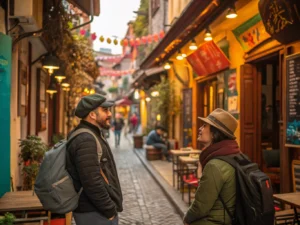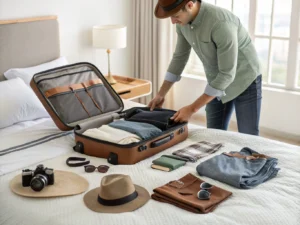
There is a particular kind of freedom in waking up in a new place with no committee meeting over breakfast. Solo travel lets you follow the scent of a neighborhood bakery, linger in a museum room that catches your attention, or change plans because a local tells you about a beach, trail, or jazz bar beyond the usual roads. It is not about being alone every minute. It is about making room for a trip that feels unmistakably yours.
For many travelers, a first solo getaway begins close to home: a long weekend in a walkable city, a coastal town with great food, or a national park where the rhythm of the day is set by the light. The right destination and a little thoughtful planning can make the experience feel exciting rather than intimidating.
Choose a Solo Travel Destination That Fits Your Mood
The best place for solo travel is not necessarily the farthest one. Start with the experience you want to have. Are you craving quiet, energy, culture, sunshine, or the simple pleasure of doing nothing on someone else’s schedule? A destination that matches your mood makes planning easier and helps you avoid trying to force a trip into someone else’s idea of adventure.
For a first trip alone, look for a place with dependable transportation, a central area that is easy to explore on foot, and plenty of daytime options. Cities with lively public spaces, smaller resort towns, and established outdoor destinations can all work beautifully. A compact itinerary is often better than trying to see an entire region in three days.
Consider these questions before you book:
- Can you reach your hotel easily from the airport, train station, or parking area?
- Is there a walkable neighborhood with cafés, restaurants, and a few things you genuinely want to see?
- Would you rather have a full calendar of tours or spacious time to wander?
- Does the destination feel comfortable for your budget, travel style, and experience level?
There is no prize for choosing the most ambitious itinerary. A nearby city with one memorable food tour and an afternoon by the water can be more restorative than a rushed overseas trip with six hotel changes.
Build a Plan With Room for the Unexpected
A good solo itinerary has anchors, not every minute mapped out. Reserve the things that matter most, such as your arrival transfer, first-night accommodation, a special dinner, or a popular attraction. Then leave open pockets of time for detours. Those unplanned hours are often where a destination becomes a story rather than a checklist.
Aim to have one meaningful plan each day. It could be a guided neighborhood walk, a cooking class, a scenic train ride, or an early hike. Guided experiences are especially useful when traveling alone because they offer local context and a natural way to share a moment with other people, without requiring you to spend the whole day being social.
Choose lodging with your evenings in mind. A central hotel may cost more than a room far outside town, but it can give you the confidence to return after dinner without a complicated ride. If you want conversation, a small guesthouse, boutique hotel bar, or group day tour can create easy opportunities to connect. If you want solitude, prioritize a calm room, a beautiful view, and a neighborhood you are happy to explore at your own pace.
Stay Aware Without Traveling on Edge
Confidence is one of the best souvenirs from a solo trip, and it grows from simple preparation. Save your lodging address and transportation details offline, keep your phone charged, and tell a trusted person where you will be staying. On arrival, take a few minutes to orient yourself: identify the main street, your route back, and a nearby place where you could get help if needed.
You do not need to treat every unfamiliar place as dangerous. At the same time, paying attention is part of traveling well. Trust the small signals: if a street feels deserted or a situation feels off, step into a busy business, call a ride, or change direction. It is always okay to leave a place, decline an invitation, or choose the brighter route home.
A few practical habits go a long way:
- Carry only what you need for the day, with a backup card and some cash stored separately.
- Use a crossbody bag or a secure daypack in crowded areas, and keep valuables out of sight.
- Avoid announcing that you are alone to strangers, especially when discussing your hotel or next stop.
- Check activity conditions honestly, particularly for hikes, water excursions, and late-night transit.
Travel insurance can also offer welcome reassurance for trips involving flights, luggage, rental cars, or prepaid tours. Coverage needs depend on the destination and the trip, so read the details before you leave rather than assuming every policy handles the same situations.
Make Mealtimes Part of the Experience
Dining alone can feel like the biggest mental hurdle before a solo trip. In practice, it often becomes one of the pleasures. Bring a book if it makes you more comfortable, but do not feel required to hide behind it. Sit at the bar, order the local specialty, and let yourself notice the room: the music, the open kitchen, the way residents greet one another.
Lunch is an easy time to try a celebrated restaurant, while counter-service spots, food halls, markets, and café patios make dinner feel relaxed. If you are interested in local flavors but would rather not navigate a menu alone, book a food tour early in your trip. You may find places worth returning to on your own.
Remember that solo travel does not have to mean every meal is a production. Pick up fruit, pastries, or a picnic from a neighborhood market and make an ordinary moment feel special. A bench with a view can be just as memorable as a reservation.
Let the Trip Be Personal, Not Performative
When you are traveling alone, it is tempting to document every beautiful detail or fill every quiet moment. Resist that pressure. Not every experience needs to become a post, and not every afternoon needs to prove that you are having an incredible time. Sometimes the most meaningful part of a trip is reading in a park, taking a slow morning, or realizing you have nowhere else to be.
Give yourself a small ritual for remembering the journey. Write down one surprising detail each evening. Save a ticket stub. Photograph the café where you had the best coffee. These details preserve the feeling of a place better than a crowded camera roll of landmarks.
At Places We Go Insider, we believe the most rewarding trips leave room for the unexpected – the conversation, the view, the street you would have missed with a packed schedule. Start with a destination that feels manageable, plan the essentials, and then give yourself permission to wander. Your next solo escape may be the beginning of a travel habit that brings you back to yourself.