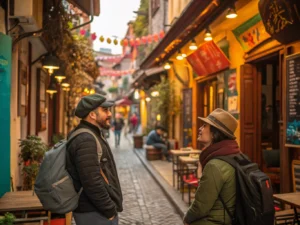
The best tours leave you with more than photos. They give a place its voice: the food stall you would have missed, the family story behind an old building, the viewpoint that makes the early alarm worthwhile. Tour guide tipping is one small way to recognize that care, but figuring out the right amount can feel unexpectedly awkward when you are trying to be present in a new destination.
There is no single number that works everywhere. A fair tip depends on the country, the tour price, the guide’s role, the size of your group, and the level of personal attention you received. The goal is not perfection. It is offering thoughtful thanks in a way that fits the local culture and your travel budget.
Why Tour Guide Tipping Can Matter
For many guides, tips are a meaningful part of their earnings, particularly on free walking tours, independent excursions, and seasonal experiences. A guide may spend hours researching local history, managing logistics, answering your questions, and helping a group feel comfortable in an unfamiliar place. When they create a memorable connection to a destination, a tip is a direct and personal acknowledgment.
That said, tipping is not universal. In some countries, service charges are already built into pricing, wages are structured differently, or a large tip may feel unusual. Treat tipping as a local custom rather than a fixed travel rule. A little research before you go can spare you the end-of-tour scramble and help you show appreciation with confidence.
How to Decide What to Tip a Tour Guide
Start by considering the experience as a whole. Was the guide hired by a large operator, leading a standard group itinerary, or were they an independent local expert creating a more tailored day? Did they simply share facts, or did they make the experience more personal, flexible, and memorable?
A few details can help you decide:
- Tour length: A two-hour city walk calls for a different tip than a full-day adventure.
- Group size: Small groups and private tours often involve more individual attention.
- Cost and inclusions: A high-priced tour may already include a service component, while a low-cost or free tour often relies more heavily on tips.
- Local norms: Tipping habits vary widely by destination, even within the same region.
- Service quality: Knowledge, warmth, safety awareness, pacing, and problem-solving all add value.
If a guide went out of their way to accommodate a dietary need, adjust the route for your family, help during a weather delay, or share thoughtful recommendations beyond the itinerary, it is reasonable to tip toward the higher end of your comfort range.
Typical Tour Guide Tipping Amounts
For paid group tours in the United States, a common approach is roughly $5 to $10 per person for a half-day tour and $10 to $20 per person for a full-day tour. Private guides may receive more, often 10% to 20% of the total tour cost, depending on the destination and how customized the experience was.
Free walking tours work differently. They are often advertised as free because there is no required upfront ticket price, but guides generally depend on voluntary tips. In many popular cities, travelers might give the local equivalent of $10 to $20 per person for a good two- to three-hour tour. Consider more if it was exceptional or if the guide made a small group feel like a private experience.
On multiday trips, tour guide tipping is usually handled daily or at the end of the journey. Ask the operator before departure whether it provides suggested amounts for guides, drivers, and other staff. Those guidelines are useful, but they should not pressure you to spend beyond what is manageable.
Cash, Card, or Digital Payment?
Cash remains the most reliable option, especially for local guides, drivers, and smaller operators. Carry a few small bills in the local currency so you can tip easily without asking someone to make change. It is also more practical to prepare before meeting at a remote trailhead, marina, or historic district where payment options may be limited.
Digital tipping has become more common, and some guides accept card payments or local payment apps. Still, do not assume your preferred app will work abroad. If you use a card, check whether an automatic gratuity has already been added to the bill. Tipping twice is generous, but it may not have been your intention.
When a guide serves a family or group, one person can hand over the tip on behalf of everyone. A brief, genuine thank-you makes the moment warmer than a silent exchange. Mentioning one detail you enjoyed – perhaps a neighborhood story, a hidden courtyard, or their patience with curious kids – lets them know their work landed.
When a Smaller Tip Is Reasonable
Tipping should reflect the experience, not guilt. If a tour was poorly organized, rushed, misleading, or lacked the promised elements, you can tip less or choose not to tip. Serious issues involving safety, disrespect, or discrimination deserve a direct report to the tour company rather than trying to resolve the matter through gratuity alone.
There are also practical situations where a smaller tip is appropriate. Maybe the operator clearly states that staff are salaried and tipping is not expected. Maybe a mandatory service charge is already included. Or perhaps you are traveling on a tight budget after unexpected flight changes or a medical expense. Travel should create room for discovery, not anxiety about meeting an unspoken financial standard.
If you are uncertain, ask a hotel concierge, local host, or the tour company what is customary. Phrase it simply: “Is gratuity usually expected for guides here?” Most people will answer plainly, and the question shows respect for the place you are visiting.
Tipping Guides When You Travel With Kids
Families often get especially attentive service on tours. A wonderful guide may slow down for little legs, turn history into a story, locate a restroom at exactly the right moment, or make space for questions that adults might never think to ask. If that care helped your family enjoy the day, include your children when calculating the tip rather than tipping only for the adults.
You can also let kids participate in the thank-you. A child handing over an envelope, saying thank you in the local language, or sharing their favorite part of the day can become a meaningful travel memory in its own right. The amount matters, but so does the human exchange.
A Simple Way to Handle Tipping Without Overthinking It
Before your trip, set aside a small gratuity fund in your overall travel budget. Keep it separate from restaurant tips, taxi fares, and emergency cash. This gives you freedom to reward the people who make a destination feel more vivid without repeatedly recalculating your spending.
At the end of a great tour, offer what feels fair, use the local custom as your compass, and express your thanks directly. The most memorable journeys are built through people as much as places. A thoughtful tip is a small gesture, but it helps honor the local storytellers who turn a planned outing into a story you will keep telling long after you return home.