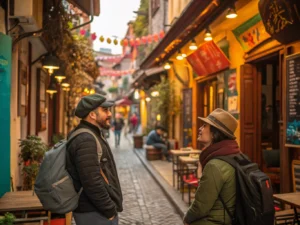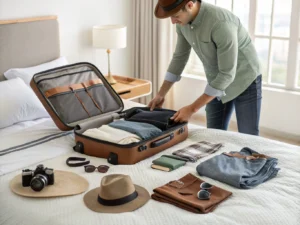
The best trips leave room for a wrong turn down a flower-lined lane, a long lunch you did not plan, or a local recommendation that changes the whole day. International travel safety is what gives you the confidence to say yes to those moments. It is not about treating every destination as dangerous. It is about preparing well enough that curiosity, not worry, leads the way.
For American travelers, the details can feel like part of the pre-trip paperwork. But a few thoughtful choices before departure can protect your time, money, health, and the people traveling with you. More importantly, they help keep your attention where it belongs: on the places, flavors, conversations, and stories that brought you abroad in the first place.
International Travel Safety Starts Before Departure
A safe, enjoyable trip begins at home, ideally before you start packing. Research should go beyond the weather and top attractions. Learn how people move around after dark, which neighborhoods are best for your travel style, whether cash is commonly used, and what local customs can help you avoid an awkward or risky moment.
Start with the practical essentials:
- Check that every passport is valid for at least six months beyond your planned return date. Many countries require this, even for a short vacation.
- Confirm entry rules for visas, transit stops, proof of onward travel, required vaccinations, and any country-specific health forms.
- Save digital copies of passports, travel insurance details, reservations, prescriptions, and emergency contacts in a secure cloud folder. Carry a printed backup separately from your passport.
- Tell a trusted person at home where you will be staying, especially if your itinerary includes remote areas, island hopping, or road trips.
- Enroll in the U.S. State Department’s Smart Traveler Enrollment Program so you can receive destination updates and your nearest embassy can contact you in a serious emergency.
Travel insurance deserves more than a quick checkbox at checkout. Read what it covers. Strong plans can include emergency medical care, evacuation, trip interruption, lost baggage, and rental car damage, but exclusions vary. If you are hiking at altitude, renting a scooter, taking a cruise, or traveling with a pre-existing condition, make sure your policy fits the trip you are actually taking.
Prepare Your Money and Phone
A blocked credit card can turn a beautiful first evening into a frustrating one. Let your bank know where you are going if required, bring at least two payment methods, and keep them in different places. Carry a modest amount of local currency for arrivals, small vendors, tips, and places where cards are not accepted.
Before leaving, add a passcode to your phone and enable device tracking. Download offline maps, translation tools, airline information, and copies of key reservations. An international data plan or eSIM can be worthwhile for the ability to check directions, call a ride, or message family without searching for public Wi-Fi. If you do use public Wi-Fi, avoid banking or entering sensitive information unless you are using a trusted connection.
Stay Aware Without Traveling on Edge
Awareness is not the same as anxiety. Most international trips unfold without major trouble, and local communities are often generous, helpful, and proud to share their home. Still, travelers can stand out, particularly when they are distracted by luggage, maps, or a new setting.
Keep your surroundings in view when arriving at an airport, train station, hotel, or crowded attraction. Pickpocketing is usually opportunistic. A zipped crossbody bag worn in front, a wallet in a front pocket, and a phone put away on busy transit can reduce your risk without making you look overly guarded.
Avoid displaying expensive jewelry, large amounts of cash, or a camera when it is not in use. This is not about dressing down or avoiding photos. It is about moving through a place with the same quiet confidence you would use in an unfamiliar part of any city.
Trust your instincts, especially in social situations. If a ride, bar, tour, or new acquaintance feels off, leave early and without apology. Choose licensed taxis or well-known ride services, confirm the vehicle details before getting in, and avoid accepting drinks that you did not see prepared. Couples, solo travelers, and friend groups all benefit from agreeing on a simple check-in plan before a night out.
Choose Accommodations With Your Routine in Mind
The cheapest room is not always the best value if it is isolated, poorly reviewed, or difficult to reach after dark. Look for recent guest comments that mention neighborhood feel, secure entry, front-desk availability, and transportation access. For families, a property near grocery stores, pharmacies, and reliable transit can make a big difference after a long flight or a child’s unexpected fever.
Once you arrive, know the name and address of your lodging in the local language if possible. Keep the address saved on your phone and written down. Ask the host or front desk about the safest nearby routes, common tourist scams, and the best way to get back at night. That small local insight is often more useful than a generic warning online.
Health Is Part of the Adventure Plan
Health preparation should match the destination and your itinerary. A city break in Paris calls for different planning than a rainforest lodge, desert trek, or beach week in a region where mosquito-borne illnesses are a concern. Speak with a travel health professional several weeks before departure when vaccinations or preventive medication may be needed.
Pack a small personal health kit with prescription medicines in their original containers, a copy of prescriptions, pain relievers, bandages, stomach remedies, and any supplies your family uses regularly. Bring more prescription medication than you expect to need, split between carry-on bags if possible, and never place essential medicine only in checked luggage.
Food is often one of travel’s great pleasures, so do not let safety advice make you miss the local table. Instead, choose busy restaurants with fresh turnover, drink sealed or reliably treated water where necessary, and wash hands before meals. Be especially thoughtful with ice, raw foods, and street food when sanitation is uncertain. The goal is not to eat only familiar things. It is to enjoy new flavors with good judgment.
If you become sick or injured, contact your insurer’s assistance line early. They can often direct you to an appropriate clinic, coordinate payment, or advise on care. For a serious emergency, contact local emergency services first, then reach out to the nearest U.S. embassy or consulate for support with communication and practical next steps.
Respect Local Norms and Protect the Experience
Some of the most meaningful travel happens when you move beyond the usual roads and meet a place on its own terms. Learning a few local phrases, understanding expected dress at religious sites, and asking before photographing people all signal respect. They can also make interactions warmer and more natural.
Laws and social expectations can differ sharply from those at home. Research rules around alcohol, medications, driving, drone use, public behavior, and photography. What seems casual in one destination can carry a fine, arrest, or deep offense in another. A little preparation protects more than your trip – it protects the welcome you receive.
Stay mindful of the digital footprint you create, too. Posting your exact location in real time can reveal that you are away from your hotel or that your home is empty. Consider sharing those golden-hour photos after you have moved on, particularly when traveling solo or with children.
A Simple Plan for the Unexpected
You do not need to expect a crisis to make a plan for one. Keep the local emergency number, your travel insurer’s number, and the U.S. embassy or consulate contact details accessible offline. Decide where your group will meet if phones die or you become separated in a crowded place.
If a passport is lost or stolen, report it to local police when appropriate and contact the nearest embassy or consulate promptly. Keep a record of the report, your passport copy, and travel itinerary. If your wallet disappears, freeze or cancel cards right away and use your backup payment method.
A flexible mindset matters as much as any document. Flights get delayed, weather shifts, and plans change. Build breathing room into your itinerary, especially around connections and major tours. A slower first day can help you adjust to jet lag, learn the neighborhood, and begin your trip feeling present rather than rushed.
The world is full of places that reward thoughtful travelers with unexpected beauty and generous human connection. Prepare the essentials, stay open to local wisdom, and leave enough space in your plans for the stories you could never have scheduled.