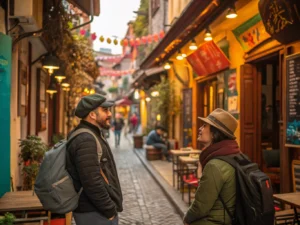
The most memorable part of a city trip is often not the landmark you planned around. It is the tiny bakery with a line of regulars, the block where porch gardens spill onto the sidewalk, or the mural you spot while taking the long way to dinner. Learning how to find hidden neighborhoods helps turn a weekend away into something more personal: a collection of places that feel discovered, not simply checked off.
Hidden does not always mean remote, secret, or hard to reach. Sometimes it is a district one subway stop beyond the tourist center, or a residential pocket that comes alive around its Saturday market. The goal is not to avoid well-known sights altogether. It is to give your itinerary room for the streets, flavors, and small encounters that make a destination stay with you.
How to Find Hidden Neighborhoods Before You Go
Start with the city’s edges, not just its center. Look at a map and notice where dense visitor districts give way to older commercial corridors, waterfronts, university areas, arts zones, or neighborhoods beside major parks. These transition areas often have a strong local rhythm while remaining easy to explore on a short trip.
Search for experiences rather than a generic list of attractions. A phrase like “independent bookstores in [city],” “Sunday market in [city],” or “best bakeries near [district]” can lead you toward areas with real character. Once a name appears more than once, add it to your map and see what sits nearby. A cluster of coffee shops, galleries, family-run restaurants, and green space is usually a promising sign.
Pay attention to local calendars, too. Street fairs, neighborhood art walks, food festivals, and outdoor concerts reveal where residents gather. Even if you skip the event itself, its location can point you toward a district worth returning to on a quieter morning.
A few useful clues are especially reliable:
- A public market, community garden, or small main street with everyday services
- Independent restaurants that are busy at lunch, not only at dinner
- A museum, theater, record shop, or bookstore with a neighborhood-focused program
- Parks connected to residential streets rather than major visitor corridors
- Transit stops named for districts you have not seen in standard travel highlights
Do not treat social media as a final answer. It is excellent for visual inspiration, but popular posts can turn yesterday’s quiet corner into today’s crowded photo stop. Use it to identify a neighborhood, then look beyond the featured cafe to the surrounding blocks.
Build a Route With Room to Wander
The difference between visiting a neighborhood and feeling its atmosphere is time. Plan one anchor – perhaps brunch, a museum, a market, or a reservation – then leave at least two hours open around it. Walk one direction with a purpose and return another way without one.
A simple route works well: arrive by public transit, walk toward an anchor, pause in a park or cafe, then follow the streets that seem most lived-in. Look for dog walkers, kids on scooters, people carrying groceries, and tables filled with friends. Those ordinary scenes are often the strongest signal that you have reached the heart of a neighborhood.
For couples, this might mean pairing a quiet morning stroll with a late dinner in a district outside downtown. Families may prefer a neighborhood with a playground, casual food options, and a market where children can choose a snack. Solo travelers can build confidence by choosing areas with a daytime cultural stop and a clear transit route back. The right hidden neighborhood depends on your trip, your comfort level, and how much unplanned time you have.
Walking is ideal, but not every destination is built for it. In sprawling cities, use transit or a rideshare to reach a promising district, then explore on foot once you arrive. Trying to cover too much ground can turn curiosity into exhaustion.
Follow the Everyday Details
Once you are there, resist the urge to judge a place in the first five minutes. Some neighborhoods reveal themselves slowly. Sit with a coffee, browse a local shop, or take a lap around the block before deciding where to eat.
Notice what businesses seem to serve the community. A tailor, florist, hardware store, or long-running diner can tell you more about an area than a perfectly styled storefront. Read bulletin boards near cafes and libraries. You may find a poster for a local performance, a farmers market schedule, or a recommendation that sends your afternoon in an entirely new direction.
When you stop somewhere, ask questions that invite useful answers. Instead of asking, “What should tourists do here?” try, “Where do you go for a relaxed walk after lunch?” or “Is there a nearby street you love?” People are more likely to share a favorite when the question is specific and respectful.
Be Curious Without Treating a Neighborhood as a Set
Insider travel should feel generous, not extractive. A neighborhood is home to people before it becomes part of your vacation story. That means keeping voices low late at night, asking before photographing people or private homes, supporting local businesses, and respecting signs, parking rules, and cultural spaces.
It also means accepting that some places are not yours to fully access. Residential streets can be lovely to walk through, but residents do not owe visitors entertainment, directions, or a glimpse into private life. The best approach is simple: enjoy the public spaces, spend thoughtfully, and leave the area as comfortable for locals as you found it.
Be mindful of safety as well. Check the route before leaving, keep your phone charged, know how you will return after dark, and trust your instincts. Hidden neighborhoods are not automatically risky, but unfamiliarity calls for the same awareness you would use anywhere else. If you are traveling with children or have limited mobility, check sidewalks, transit access, and opening hours before committing to a long detour.
Let One Discovery Lead to Another
The richest travel days rarely come from squeezing in more stops. They come from following a thread. A neighborhood bakery leads to a nearby park. The park leads to a vintage shop. The shopkeeper mentions a family-run restaurant a few blocks away. By evening, you have a route no algorithm could have assembled for you.
Keep a loose note on your phone with names, cross streets, and small details you want to remember. That bright blue doorway, the corner stand selling peaches, the jazz drifting from an upstairs window – these are the details that make a trip feel meaningful and memorable long after you are home.
For your next getaway, choose one afternoon to step beyond the usual roads. Pick a promising transit stop, set a comfortable pace, and let the neighborhood tell you where to go next.