
The best trip stories usually do not start at the main square. They begin in the bakery with the line out the door, on the side street where live music spills onto the sidewalk, or at the beach access locals use before sunrise. That is the real value of a local secrets travel guide – not collecting hidden spots for the sake of novelty, but building a trip that feels textured, personal, and worth remembering long after the flight home.
For many travelers, the difference between a decent getaway and a meaningful one comes down to access. Not VIP access. Human access. The kind that helps you understand how a place moves, what people actually eat on a weeknight, where families gather, and which experiences still feel special after the visitor rush fades. When you travel this way, the destination stops feeling staged and starts feeling alive.
What a local secrets actually gives you
A strong local secrets travel guide is not a list of so-called hidden gems that became crowded six months ago. It is a smarter way to approach a destination. Instead of centering only the landmarks everyone photographs, it helps you balance signature sights with neighborhood character, better timing, and experiences with context.
That matters because popular places are often popular for a reason. You may still want to see the museum, the iconic viewpoint, or the famous market. The trick is knowing what belongs around those headline stops. A great afternoon might include one major attraction, then lunch where nearby office workers eat, a walk through a residential block with independent shops, and sunset from a less obvious overlook. The trip still includes the highlights, but it no longer feels generic.
This approach also saves energy. Travelers often overpack itineraries with the most obvious options, then spend the day in lines, traffic, and overpriced restaurants. Local insight can quietly fix all three. A better breakfast spot, a smarter neighborhood to stay in, or the right day to visit a popular district can change the feel of the entire trip.
Why travelers want more than top-10 lists
There is a reason polished but repetitive travel content starts to blur together. It tends to flatten destinations into the same formula: best things to do, best places to eat, best photo spots. Useful, yes. Memorable, not always.
Most leisure travelers want something richer, even if they are only taking a long weekend. They want a trip that feels restorative, beautiful, and just a little personal. Couples want a dinner they will still talk about next year. Families want experiences that feel easy but not watered down. Solo travelers want confidence without losing spontaneity. A local-first mindset serves all of them because it makes travel feel more grounded.
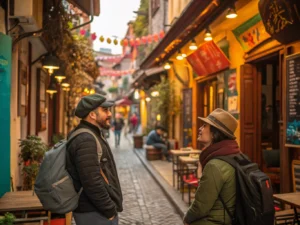
It also creates better stories. You remember the ceramics shop where the owner explained a regional pattern. You remember the tiny wine bar that looked too quiet at first, then turned into the highlight of the night. You remember the park where local runners, dog walkers, and grandparents all seemed to share the same golden hour. Those moments carry a place differently than a checklist ever can.
How to use a the info from locals
The biggest mistake travelers make is treating local recommendations like a scavenger hunt. Find the secret cafe. Find the hidden beach. Find the unknown neighborhood. That sounds romantic, but it can backfire fast. Some places are not built for heavy visitor traffic, and some local favorites stay special because they are woven into daily life rather than promoted as attractions.
A better way is to use a local info as a filter. Let it shape how you choose where to stay, when to go out, and which districts deserve your unhurried time. If a city has a well-known center and a more lived-in neighborhood nearby, spend your morning at the famous site and your afternoon in the area where residents actually linger. If a destination is known for one major restaurant scene, use local insight to decide whether lunch is the smarter reservation than dinner. Often it is.
Timing is one of the most underrated forms of insider knowledge. The same market can feel charming at 9 a.m. and exhausting at 1 p.m. The same beach can feel peaceful on a weekday and impossible on a holiday weekend. The same scenic road can feel cinematic at sunrise and frustrating by late morning. Local perspective helps you experience familiar places at their best, which is often more valuable than finding something obscure.
Start with neighborhoods, not attractions
When people plan trips, they often begin with a list of things to see. A more rewarding place to start is with neighborhoods. Districts tell you how a city actually lives. They reveal its rhythm, style, appetite, and mood.
A good neighborhood can carry an entire day without forcing it. You might begin with coffee, browse a bookstore, sit in a small park, stop for lunch, and end with a cocktail bar or waterfront walk. That kind of day feels generous rather than rushed. It also leaves room for the happy accidents that make travel feel special.
For weekend travelers especially, neighborhood planning is practical. You spend less time crossing the city and more time being present. You also avoid the common trap of seeing a lot but feeling very little.
Ask better questions
If you want local answers, ask local-quality questions. Instead of asking for hidden gems, ask where people go for a slow breakfast, what area feels best for an evening walk, or which day a market is busiest with residents rather than visitors. Ask what is worth booking ahead and what is better left spontaneous.
These questions lead to recommendations with texture. They invite people to share habits, not just highlights. And habits are often where the good stuff lives.
The trade-offs behind the hidden gems
Traveling beyond the obvious sounds ideal, but it is not always effortless. Local favorites may have limited hours, no polished website, or menus that change without warning. The quieter beach may require a car. The excellent neighborhood restaurant may not take reservations. The scenic route may be beautiful but slow.
That does not mean the experience is better by default. Sometimes the most famous place really is the right choice, especially on a first visit or a short trip. If you have one day in a destination, skipping the signature sight just to be different can feel like a miss. The sweet spot is usually a blend: take in the places that define the destination, then give yourself enough room to experience how people actually enjoy living there.
This balance matters even more for families and time-conscious travelers. Not every trip needs to become a quest for authenticity at all costs. Convenience matters. Comfort matters. Reliable transportation, easy meal options, and walkable plans matter. A smart insider approach does not reject those things. It simply helps you choose them with more care.
What to look for
The most useful recommendations tend to share a few qualities. They are specific without feeling performative. They explain why a place is worth your time, not just that it is under the radar. They help you understand timing, atmosphere, and fit.
Look for guidance that answers questions like these: Is this best for a relaxed morning or an energetic evening? Is it good for couples, families, or solo travelers? Does it require planning, or can you keep it flexible? Is it worth going out of your way, or should it be paired with nearby sights?
Respect the place itself. Encourage curiosity, but also good manners. Support independent businesses. Keep noise down in residential areas. Follow local rules at beaches, trails, and markets. The goal is not to consume a destination more cleverly. It is to experience it more meaningfully.
Our Places We Go Insider travelers understand the need to make the most of your trip. The sweet spot is inspiration with enough practical value to help you act on it. You want the beautiful idea and the usable plan.
Make your next trip feel less scripted
The best travel does not always come from going farther. Often it comes from looking closer. A local secrets travel guide helps you notice the side streets, slower hours, neighborhood rituals, and quietly excellent places that give a trip its emotional texture.
So when you plan your next getaway, leave a little room around the landmarks. Follow the smell of fresh bread. Choose the district where people linger after work. Take the scenic route once. Let one afternoon stay pleasantly unplanned. That is usually where the destination starts talking back.



One Response
Great content! Keep up the good work!