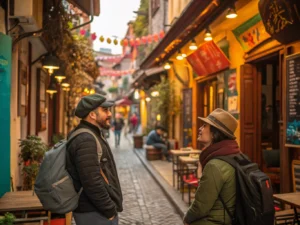
A great trip can be derailed by one surprisingly small question: do you spend your precious vacation hours figuring everything out yourself, or let someone who knows the place lead the way? If you are asking, are guided tours worth it, the honest answer is yes – when the tour gives you something more valuable than transportation and a photo stop.
For many travelers, a guided experience is the difference between seeing a destination and feeling connected to it. The right guide can turn a quiet lane, old building, market stall, or coastal overlook into part of the story you will still tell long after you are home. But not every tour earns its price tag. Choosing well matters.
When guided tours are worth it
Guided tours shine when a destination has layers that are easy to miss on your own. Think historic neighborhoods where every block has a story, food markets with unfamiliar customs, national parks with changing conditions, or cities where limited time makes wrong turns expensive.
A knowledgeable local can provide context that maps and review sites cannot. They may point out a family-run bakery hidden beyond the busy square, explain why a temple ritual matters, or share the best angle for a skyline view before the crowds arrive. That insider perspective is often the real value, especially for travelers who want more than a checklist of landmarks.
Tours can also reduce planning fatigue. After a demanding season at work, there is real joy in arriving somewhere beautiful without having to research transit routes, reserve timed-entry tickets, or decide where to eat every two hours. A well-designed tour handles the logistics so you can be present.
Guided experiences are particularly worthwhile for:
- Short getaways, when you have one to three days and want to make every hour count.
- First visits to a major city, when orientation and local context help you explore independently afterward.
- Food, wine, art, and history experiences, where expert storytelling adds depth you cannot easily recreate.
- Outdoor adventures, including hikes, wildlife outings, boat trips, and activities where safety and local knowledge matter.
- Places with language or transportation barriers, where a guide can make the experience more comfortable and relaxed.
For families, tours can be a practical win, too. A guide who keeps children engaged with stories, tastings, hands-on moments, or quick pacing can spare parents from carrying the full responsibility of entertaining everyone.
What you are really paying for
It is tempting to compare a tour price with the cost of getting somewhere on your own. That comparison misses much of the picture. You are often paying for curation: a route that avoids wasted time, reservations that may be difficult to secure, and someone who has already separated the memorable from the merely popular.
You are also paying for confidence. In an unfamiliar place, that can mean knowing which trail is appropriate after rain, where to find the most regional dish on a crowded menu, or how to approach a culturally significant site respectfully. A good guide brings the small details into focus.
Some tours include useful extras such as admission, tastings, equipment, hotel pickup, or small-group transport. Add those costs before deciding a self-guided day is automatically cheaper. Convenience has value, and on a once-a-year vacation, time can be the most limited resource of all.
When a guided tour may not be worth it
Not every trip needs a full itinerary of scheduled experiences. Travelers who love lingering in bookstores, wandering side streets, or changing plans with the weather may find a tightly timed group tour restrictive. If your favorite travel memories come from happy detours, protect room for them.
Large bus tours can also feel impersonal, particularly at destinations that are already crowded. A rushed itinerary with too many stops may leave you with photos but little sense of place. Be cautious of experiences that promise several cities, landmarks, meals, and attractions in one day. A packed schedule can turn discovery into a race.
A tour is less likely to be a good fit when the destination is easy to navigate, you have plenty of time, and the main sights offer excellent self-guided materials. It may also be unnecessary if the itinerary mostly repeats places you have already researched and feel excited to explore at your own pace.
The best approach is often a mix. Book one meaningful guided experience early in a trip, then use what you learn to shape your own wandering. You get local insight without giving up spontaneity.
How to choose a tour that feels special
The difference between a forgettable outing and a story-worthy afternoon often comes down to group size, guide quality, and pace. Before booking, read recent reviews for specific details, not just star ratings. Look for comments about the guide’s knowledge, warmth, flexibility, and ability to avoid crowds or personalize the experience.
Pay attention to the practical details as well:
- Group size: Smaller groups usually allow more conversation, flexibility, and access to quieter places.
- Tour focus: Choose a clear theme, such as neighborhood food, architecture, local legends, or wildlife, rather than a vague all-in-one overview.
- What is included: Confirm admission fees, meals, transportation, gratuities, and any equipment before you book.
- Timing: Early morning and evening tours can offer softer light, cooler temperatures, and fewer crowds.
- Cancellation policy: Flexible terms are especially helpful when weather or travel plans may shift.
Ask yourself one simple question: will this experience help me access a place, story, skill, or moment I would struggle to find alone? If the answer is yes, it is probably a strong use of your travel budget.
Are guided tours worth it for different kinds of travelers?
For couples, a private or small-group tour can create a more relaxed, memorable date than spending the day navigating reservations and directions. A sunset sailing trip, chef-led tasting, or behind-the-scenes museum visit adds an occasion to the getaway.
For solo travelers, guided tours can offer connection without requiring a fully social vacation. You have companions for a few hours, an experienced person to ask questions, and the freedom to continue independently afterward. This is especially appealing in a new city where you want a welcoming start.
For families, look for guides who design the experience around participation rather than long lectures. Street-food tastings, scavenger-style history walks, gentle wildlife excursions, and creative workshops often work better than all-day sightseeing.
For repeat visitors, skip the standard highlights and book around a personal interest. A guided walk through a lesser-known neighborhood or a regional cooking class can reveal a fresh side of a familiar favorite.
Make room for both guidance and surprise
The strongest itineraries rarely schedule every minute. Choose one tour that genuinely excites you, whether that means kayaking beneath coastal cliffs, tasting your way through a historic district, or hearing local stories in a city you thought you knew. Then leave an open afternoon for the café, overlook, gallery, or street that calls to you unexpectedly.
That balance is where travel becomes personal. Guided tours are worth it when they open doors, save energy, and lead you beyond the usual roads – not when they replace your own curiosity. Pick experiences with heart, give yourself space to wander, and let the best moments find you too.