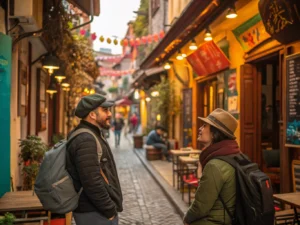
The sunset cruise is canceled. Your child spots a tiny bakery with a line out the door. A local at breakfast tells you about a swimming hole that never made your travel research. These are not planning failures. They are often the moments a trip becomes a story you keep telling. Learning how to build flexible itineraries means giving those moments a place to land without letting the entire vacation unravel.
A flexible itinerary is not an empty calendar or a vague promise to “see what happens.” It is a thoughtful trip framework: the essentials are protected, the pace is realistic, and there is enough breathing room to follow a good surprise beyond the usual roads.
Start With Anchors, Not a Packed Schedule
Every trip needs a few non-negotiables. They might be a hotel reservation, a theater ticket, a family reunion dinner, or a once-in-a-lifetime guided experience. Put those on the itinerary first, along with the practical details that support them, such as airport transfers and rental car pickup.
Then resist the temptation to fill every open hour. A polished travel plan can look exciting on paper and still feel exhausting in real life. Build around one main experience per day, especially on short getaways. A museum district, a beach afternoon, a food tour, or a scenic drive can be the center of the day. Everything else should remain optional.
This approach works especially well for couples and families traveling together because it reduces the pressure to agree on every moment. Everyone knows what matters most, while smaller decisions can happen naturally along the way.
How to Build Flexible Itineraries With Time Buffers
The most useful travel tool is often an unclaimed hour. Time buffers absorb delayed flights, slow service, traffic, tired feet, and the simple pleasure of staying somewhere longer because it feels right.
When mapping each day, leave space in three places:
- Arrival days: Plan only one easy activity after checking in, such as a neighborhood walk, a casual dinner, or a sunset viewpoint.
- Between reservations: Give yourself 30 to 60 minutes beyond the travel time shown on a map. Finding parking, navigating an unfamiliar station, and stopping for photos all take time.
- Evenings: Avoid booking dinner, nightlife, and a major attraction back to back. Choose one priority and let the rest depend on your energy.
- Before departure: Keep the final morning light. A rushed last-day schedule can turn a beautiful trip into a scramble for luggage, fuel, and airport security.
Buffers are not wasted time. They are where you notice the flower market, linger over espresso, or take the scenic route home. They also make a delayed train feel like an inconvenience rather than a disaster.
Organize Options by Neighborhood and Mood
Instead of assigning every café, shop, and attraction to a specific time, create a short list of possibilities grouped by area. If you wake up ready for culture, you have museum options. If the weather turns bright and warm, you know which parks, waterfronts, and outdoor markets are nearby.
Your list can be simple. For each neighborhood, save a few choices for food, a signature experience, a rainy-day alternative, and one place that feels distinctly local. Think less like a checklist and more like a menu.
For example, a weekend in Charleston might have a historic walk as the anchor, with a choice between browsing King Street, lingering at a garden, joining a harbor outing, or finding live music after dinner. In Sedona, a sunrise hike may be the priority, while an art gallery, spa afternoon, and scenic overlook become options shaped by weather and energy.
A little research still matters. Flexible does not mean arriving without knowing which places require advance reservations, close early, or sell out. The goal is to have good choices ready when the day reveals what you actually want.
Plan for the Things That Change
Weather, crowds, transportation, and personal energy are the usual itinerary disruptors. Smart planners expect them rather than treating them as exceptions.
Before you leave, identify a Plan B for every high-priority outdoor experience. If your beach day turns stormy, perhaps that becomes a seafood lunch, aquarium visit, or a slow afternoon at a local bookstore. If a popular attraction is too crowded, move to a nearby neighborhood instead of spending precious vacation hours in line.
It also helps to know your cancellation windows. Flexible bookings can cost a little more, and that trade-off is worth considering. For a trip tied to a concert, wedding, or limited vacation days, the certainty of a fixed reservation may be the better value. For a shoulder-season escape or a road trip with several possible stops, refundable lodging and adjustable activities can buy meaningful freedom.
Travel insurance may also be worth considering when prepaid, nonrefundable costs are significant. It cannot create more time in a day, but it can provide support when disruptions force bigger decisions.
Give Your Group a Simple Decision Rule
Traveling with other people adds a layer of possibility and compromise. One person wants to start at dawn; another would happily spend the morning at a café. Without a shared approach, flexibility can feel like indecision.
Set a few expectations before the trip. Decide which experiences everyone will do together, whether free time is welcome, and how much notice people need before changing plans. A helpful rule is that the person who cares most about an activity gets to make the case, but no one should have to spend every day doing something they dislike.
For families, build in a reset point. After a major attraction or morning excursion, return to the hotel, rest by the pool, or choose an easy lunch before the next plan. Children often enjoy a destination more when the day includes room to play, snack, and simply look around.
Protect the Experience, Not the Original Plan
A flexible itinerary asks a different question when plans change. Instead of asking, “How do we fit everything in?” ask, “What kind of day do we want to have?”
Maybe rain replaces a mountain hike with a long lunch and a pottery studio. Maybe a missed reservation opens an evening for a neighborhood festival. Maybe everyone is tired, and the best decision is ordering takeout on the hotel balcony while the city lights come on.
That does not mean abandoning the experiences you were excited about. It means recognizing that a meaningful trip is measured by more than the number of pins checked off a map. The best travel memories often have a little space around them.
Before your next getaway, choose your anchors, leave a few blank blocks on the calendar, and save options that match the mood of the place. When an unexpected invitation, hidden trail, or perfect lazy morning appears, you will be ready to say yes.