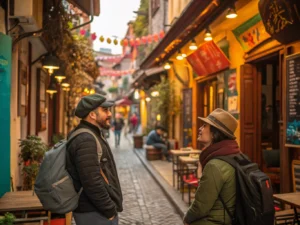
The trip you remember most is rarely the one with the fullest itinerary. It is the morning coffee from a neighborhood bakery, the guide who shares a family story, the quiet trail that makes you pause and look around. Sustainable travel trends are bringing more of those moments into focus, helping travelers choose experiences that feel richer while placing less strain on the places they came to see.
For couples planning a long weekend, families looking for a more meaningful vacation, or professionals craving a reset beyond the usual roads, sustainability does not have to mean sacrificing comfort. It can mean traveling with greater intention: staying longer, spending locally, and making choices that preserve the character of a destination.
Sustainable Travel Trends Shaping Better Getaways
Slower itineraries are replacing rushed checklists
One of the most refreshing shifts in travel is the move away from trying to see everything. Instead of hopping between three cities in five days, more travelers are choosing one home base and getting to know it properly. This approach is often called slow travel, but its appeal is simple: less packing, less transit stress, and more room for discovery.
A longer stay can make an ordinary destination feel personal. You might return to the same farmers market, find the best sunset bench in town, or have time for an unplanned museum visit when the weather changes. It also spreads spending through local businesses rather than concentrating it around the most crowded attractions.
Slow travel is not only for month-long European escapes. It works beautifully for a three-night cabin stay, a coastal road trip with fewer stops, or a city break built around one walkable neighborhood.
Trains, road trips, and closer-to-home escapes are gaining ground
Flights remain practical for many vacations, especially when time is limited or the destination is far away. But travelers are increasingly weighing whether a quick flight is truly necessary. Rail journeys, scenic drives, and regional getaways can turn the route itself into part of the story.
For US travelers, that may mean taking the train to a nearby city, planning a national park trip within driving distance, or choosing a weekend escape that does not require a full day in airports. These choices can reduce the pace and emissions of a trip, but they also make room for roadside diners, small-town galleries, and landscapes you would miss at 35,000 feet.
The right transportation choice depends on your group, budget, and available time. A family of four may find a road trip more convenient than rail, while a couple visiting a dense city may discover that walking, biking, and public transit offer the most rewarding experience once they arrive.
Locally owned stays and experiences matter more
Travelers are looking beyond generic accommodations for places with a genuine sense of location. A family-run inn, a locally managed vacation rental, or a small hotel that hires nearby staff can create a more connected stay while keeping more travel dollars in the community.
The same is true for experiences. A neighborhood food tour, an Indigenous-led cultural program, a workshop with a local artist, or a guided hike with a regional naturalist can offer insight that a standard sightseeing circuit cannot. The goal is not to treat local life as a backdrop. It is to participate respectfully and learn from the people who know a place best.
When planning, look for operators who are clear about where their money goes, how they treat staff, and how they protect the places they visit. A polished sustainability claim is not enough on its own. Specifics are more meaningful than vague promises.
How to Travel More Thoughtfully Without Overthinking It
Sustainable choices do not need to turn a vacation into a research project. Start with the decisions that have the biggest effect on your trip, then leave room for the joy and spontaneity that make travel worthwhile.
Consider these practical shifts for your next getaway:
- Choose one destination or region rather than cramming several far-apart stops into a short trip.
- Stay an extra night when possible, especially in smaller communities that benefit from steadier visitor spending.
- Book local guides, restaurants, shops, and experiences instead of relying only on major chains.
- Bring a refillable water bottle, reusable tote, and compact utensils for easy reductions in single-use waste.
- Respect trail rules, wildlife boundaries, and neighborhood quiet hours, even when no one appears to be watching.
Small decisions add up, but the point is not perfection. If you take a flight to visit loved ones or reach a dream destination, you can still make the rest of the trip more thoughtful by staying longer, limiting extra internal flights, and supporting the community you are visiting.
Regenerative travel is the next step
Sustainable travel generally aims to reduce harm. Regenerative travel goes further by asking how visitors can leave a place better supported than they found it. That could look like joining a beach cleanup organized by local residents, choosing a conservation-minded lodge, volunteering through a credible community program, or simply paying fairly for a guided experience that helps protect cultural and natural heritage.
This trend needs care. A one-hour volunteer activity arranged for a photo opportunity may do little for a community, and poorly planned volunteer programs can create more work for local organizations. The better choice is to support initiatives designed and led by residents, with a clear purpose beyond visitor feel-good moments.
You do not have to build an entire vacation around service to travel regeneratively. Listening, spending intentionally, following local guidance, and leaving natural spaces undisturbed are powerful forms of respect.
Travelers are becoming more skeptical of easy green claims
Carbon offsets, eco labels, and plastic-free amenities can be useful, but they are not a complete answer. A hotel that replaces plastic straws while wasting water or displacing local residents is not automatically a sustainable choice. Likewise, offsetting a flight does not erase its impact.
Look for meaningful evidence: energy and water conservation practices, waste reduction beyond the guest room, fair employment, community partnerships, and limits on development in sensitive areas. Ask whether a business explains its approach in plain language. If the details are hard to find, it is reasonable to be cautious.
Make Space for the Unexpected
The most encouraging part of these sustainable travel trends is that they often lead to better vacations, not stricter ones. A less frantic schedule gives you time to follow a recommendation from a bartender, linger over a meal, or take the scenic route when it is calling your name.
Before booking your next escape, choose one way to travel a little lighter and one way to connect a little deeper. Those two decisions can create the kind of meaningful, memorable story that stays with you long after you return home.