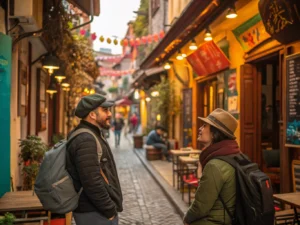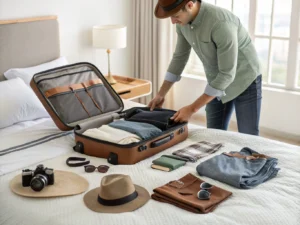
A solo trip can begin with one deliciously simple decision: you get to follow your own curiosity. Sunrise at a quiet overlook, an unhurried museum afternoon, dinner at the little neighborhood spot you noticed while wandering – the story is entirely yours. Learning how to plan solo safely lets you hold on to that freedom while making smart choices that keep your journey grounded.
Safety does not mean planning every spontaneous moment away. It means building a few reliable guardrails before you go, so you can say yes to the experiences that make a destination feel personal, beautiful, and beyond the usual roads.
Start With a Destination That Matches Your Comfort Level
The right first solo destination is not necessarily the farthest one or the most photogenic. It is a place where you can move around confidently, find what you need without stress, and spend more energy enjoying the experience than solving logistics.
For a weekend escape, a walkable small city, a popular coastal town, or a neighborhood-centered urban destination can be a wonderful fit. Look for dependable transportation, a good range of accommodations, clear visitor information, and areas that stay active into the evening. If your dream trip involves remote trails, late-night nightlife, or language barriers, that does not rule it out. It simply calls for more preparation and a realistic understanding of your experience level.
Before booking, get specific about the rhythm you want. A solo traveler who loves early mornings and scenic hikes needs a different plan than someone seeking galleries, food markets, and live music. Choose a destination that supports your actual travel style, not the version of travel that looks best in someone else’s photos.
How to Plan Solo Safely Before You Leave
Good solo planning starts with a simple, shareable outline. You do not need to hand someone a minute-by-minute itinerary, but a trusted person should know where you are staying, how you are getting there, and when they can expect to hear from you.
Create a short trip file with your flight or driving details, accommodation address, transportation plan, and emergency contacts. Save it where you can reach it offline, then share a copy with someone at home. If you are traveling internationally, include your passport details, travel insurance information, and the nearest embassy or consulate contact.
A few pre-trip habits make a real difference:
- Book your first night, especially when arriving after dark or in an unfamiliar city.
- Read recent accommodation reviews for comments about the neighborhood, entrance, staff presence, and late check-in process.
- Download maps, translation tools, transit information, and key reservation details before departure.
- Keep a backup payment method separate from your main wallet, along with a small amount of local cash where useful.
- Check weather, seasonal conditions, local holidays, and any transportation disruptions that could reshape your plans.
Travel insurance is worth considering for any trip where a missed connection, medical issue, or lost bag would create a meaningful financial setback. The best policy depends on your destination, health coverage, trip cost, and activities. Read the exclusions carefully – adventure activities and rental vehicles often have different rules.
Choose a Stay That Helps You Feel at Ease
Your hotel, rental, or guesthouse does more than give you a place to sleep. It becomes your reset point between big days of discovery. Paying a little more for a well-reviewed location near transit or within a walkable district can be a smart trade-off, particularly on a short trip when convenience is part of the value.
Arrive in daylight when possible. On check-in, take a moment to understand how the entry works, where the front desk or host contact is located, and the best route back from the places you plan to visit. Avoid announcing your room number aloud, and trust your instincts if an entrance, hallway, or situation feels off.
For solo travelers, privacy and community both have their place. A boutique hotel may offer calm and consistent service, while a social guesthouse or small group tour can add easy conversation. Neither is automatically safer. What matters is whether the setting has clear policies, credible reviews, and an environment where you feel comfortable.
Move Through the Destination With Awareness
Once you arrive, confidence comes from paying attention, not from acting fearless. Keep your phone charged, know the name and address of where you are staying, and glance at your route before stepping outside. Looking briefly at a map is normal. Walking for blocks while absorbed in your screen can make you less aware of your surroundings.
Use licensed transportation options and confirm the vehicle details before getting in. If you are renting a car, choose parking that is well lit and avoid leaving bags or shopping visible inside. On public transit, sit near other passengers or the operator when practical, especially late at night.
Be thoughtful about what you carry. Bring only what you need for the day, keep valuables close rather than in an easily opened outer pocket, and separate your cash, cards, and identification. This is not about traveling nervously. It is about making petty theft inconvenient and protecting your ability to continue the trip if something goes wrong.
Make Room for Serendipity Without Losing Your Bearings
Some of the best solo travel moments are unplanned: accepting a local café recommendation, lingering at a street festival, or taking the long way back through a beautiful historic district. Give those moments room to happen, but set a few personal boundaries before the day gets going.
Decide roughly when you want to return after dark, particularly in places you do not yet know. If you meet new people, enjoy the conversation in a public setting and avoid sharing your accommodation details, full itinerary, or the fact that you are traveling alone right away. If alcohol is part of your evening, keep control of your drink and your route home. A memorable night should still end with you getting back comfortably.
There is also wisdom in changing course. A tour that feels disorganized, a trail with worsening weather, or a street that suddenly becomes deserted is enough reason to leave. You never need a dramatic justification for protecting your comfort. Your instincts are one of the most useful tools you packed.
Build a Check-In Routine That Still Feels Free
A quick daily check-in gives loved ones reassurance without turning your getaway into a reporting exercise. Send a morning note with your general plan, or a photo and short message when you are back at your stay. Agree on what to do if you miss a check-in, particularly if you will be hiking, driving long distances, or changing locations.
For outdoor adventures, be more precise. Tell someone the trail name, expected route, start time, return time, and vehicle details if relevant. Weather and cell service can change fast, so bring water, layers, navigation, and a power source suited to the conditions. A scenic detour is wonderful; going off-route without preparation is a different decision.
Solo travel is not a test of independence. Asking a hotel concierge for a safer route, joining a small local experience, or taking a rideshare instead of walking late is simply good judgment. The goal is not to prove you can do everything alone. It is to create a trip that feels open, capable, and genuinely enjoyable.
The most meaningful solo journeys leave you with more than photos. They remind you that you can follow your own sense of wonder, make thoughtful choices, and find beauty in a place that was once unfamiliar. Plan with care, stay present, and let the road surprise you in all the right ways.