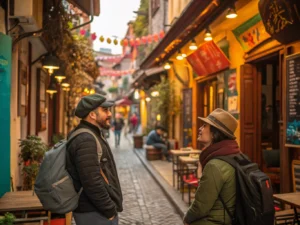
The Italy you remember most may not be the one on your postcard list. It might be a pistachio gelato eaten on a quiet Sicilian piazza, a 7 p.m. aperitivo beside a neighborhood bar, or the train ride that reveals hill towns you had not planned to visit. These Italy insider travel tips are for building a trip with room for those moments – while still making the logistics feel manageable.
Italy rewards curiosity, but it also asks travelers to adjust their pace. A little local awareness goes further than an overstuffed itinerary, especially in popular cities where timing can shape the entire day.
Italy Insider Travel Tips That Change the Experience
Plan around Italian rhythms, not just opening hours
Many first-time visitors schedule Italy like a nonstop attraction circuit. The better approach is to notice how the day naturally unfolds. Mornings are often for sightseeing, lunch can run long, and evenings belong to the passeggiata – the relaxed stroll before dinner when streets, piazzas, and waterfronts come alive.
In smaller towns, shops may close in the afternoon, especially outside major tourist centers. Rather than treating that break as an inconvenience, use it well. Return to your hotel, settle into a café, or take a slower walk through residential streets. You will see a more lived-in side of the destination.
Dinner also starts later than many American travelers expect. In cities such as Rome, Florence, Naples, and Palermo, restaurants may not fill up until 8 p.m. or later. An early evening aperitivo is the perfect bridge: order a spritz, a local wine, or a nonalcoholic bitter drink, and enjoy a small snack before dinner.
Stay one neighborhood beyond the obvious center
Being steps from every landmark sounds ideal, but the most central blocks can be louder, pricier, and less personal. Consider staying just outside the historic core, within an easy walk or short transit ride. You may gain a morning bakery where locals stop for espresso, a family-run trattoria, and a clearer sense of daily life.
In Rome, that could mean looking beyond the immediate Trevi Fountain area. In Florence, it may mean crossing the Arno. In Venice, choosing Cannaregio instead of sleeping beside St. Mark’s Square can make the city feel calmer after day-trippers leave.
The trade-off is convenience. If your visit is only one night or mobility is a concern, a central hotel can be worth the premium. For a three- or four-night stay, though, a neighborhood base often creates a richer rhythm.
Make trains part of the trip
Italy’s rail network can turn a multi-city vacation into a remarkably easy adventure. High-speed trains connect major hubs efficiently, while regional trains open the door to smaller places with character. Traveling by rail also saves you from city-center driving restrictions, parking stress, and the challenge of navigating unfamiliar roads after a long flight.
A few practical habits make train days smoother:
- Book high-speed routes early when your schedule is firm, especially for peak summer dates and holiday weekends.
- Leave extra time at large stations, where platforms can be a longer walk than expected.
- Keep an eye on the departure board rather than relying only on an app, since platforms sometimes change.
- Validate paper regional tickets when required, and check the rules for digital tickets before boarding.
For the most memorable rail days, avoid treating every transfer as dead time. A stop in Bologna for lunch, Verona for an afternoon walk, or Orvieto for a hilltop view can turn transportation into a story-worthy part of the journey.
Eat With Curiosity, Not a Checklist
Italy is not one cuisine. It is a collection of fiercely local food traditions, and that is one of the great joys of traveling there. Carbonara belongs to Rome, pesto speaks to Liguria, ragù has deep roots in Bologna, and arancini tell a delicious story in Sicily. Ordering regional specialties is one of the easiest ways to connect with a place.
Look for a short menu, seasonal ingredients, and a dining room where Italian is the language you hear most. None of those signals guarantees a perfect meal, but together they are often more useful than a restaurant with a flashy view and a menu that tries to serve every Italian classic at once.
A few customs are worth knowing. Cappuccino is usually a morning drink, though nobody will stop you from ordering one later. Bread may arrive without butter and is not always complimentary. Tipping is more modest than in the United States, and a service charge or coperto may already appear on the bill.
Most of all, do not reserve every meal weeks ahead. Book the restaurants you truly care about, particularly in high season, then leave space for the place that catches your eye after an evening walk. Some of the best meals happen because you were willing to follow the scent of grilled seafood or fresh focaccia down a side street.
Trade Crowds for Better Timing
The same famous places feel completely different at 8 a.m. and 2 p.m. Visit marquee sights early, then use the busiest middle hours for a long lunch, a museum, or a less famous neighborhood. In summer, this is also the more comfortable strategy.
For destinations with limited access or intense demand, advance reservations are often sensible. The Vatican Museums, the Uffizi, the Colosseum, and major coastal excursions can be difficult to arrange at the last minute. A guided tour can be especially worthwhile when it helps you understand what you are seeing instead of simply moving past it.
But do not make every hour bookable. Italy is at its best when a planned highlight is balanced by a free afternoon. Wander until you find a church with an open door, a market stall selling ripe peaches, or a small square that invites you to sit longer than expected.
Choose the shoulder season when you can
April to early June and late September through October often offer a sweet spot of pleasant weather, lively streets, and fewer crowds than midsummer. That said, timing depends on your priorities. July and August are wonderful for beaches, festivals, and long sunlit evenings, but heat and crowds are real considerations. Winter can bring lower prices and a quieter atmosphere, though some coastal towns and small hotels operate on reduced schedules.
There is no single best month for all of Italy. A food-focused escape to Bologna, a family beach week in Puglia, and a romantic Venice weekend each call for a different calendar.
Bring Respect for the Places You Love
Insider travel is not about finding a secret location and broadcasting it. It is about moving through beloved places with care. Dress respectfully when entering churches, keep voices low in residential lanes, and remember that a beautiful village is also someone’s home.
Learn a few Italian phrases, even if your pronunciation is imperfect. A warm buongiorno, grazie, and per favore can change the tone of an interaction. Carry some cash for small purchases, ask before photographing people or private businesses, and refill a reusable water bottle where public fountains are clearly marked as drinkable.
This mindset also helps you avoid the pressure to “do” Italy perfectly. You do not need to see every museum, order every famous dish, or check off every region. Choose the experiences that fit your travel style, then give them enough time to become meaningful.
Let your itinerary leave a little room for surprise. The café table you claim after getting lost, the local train you take on a whim, and the sunset you almost missed may become the moments that bring Italy back to you long after you are home.