A group tour can turn a long-awaited escape into something richer than a checklist of landmarks. You may arrive as a solo traveler, a couple looking for an easy getaway, or a family ready to see somewhere new without managing every reservation. This first time group tour guide will help you know what to expect, choose a trip that fits your travel style, and leave room for the spontaneous moments that make a destination feel personal.
Why a Group Tour Can Be the Right First Step
A well-designed group tour takes care of the pieces that often drain the fun from vacation planning: transportation between stops, timed entry, local logistics, and the question of where to eat after a full day of exploring. Instead of navigating an unfamiliar train system or refreshing a map on a busy street, you can pay closer attention to the market stalls, the mountain views, and the stories behind a neighborhood.
That does not mean every group tour feels the same. Some move quickly through major sights, while others linger in small towns, food halls, coastal villages, or lesser-known cultural sites. The best fit depends on what you want from your time away. If your priority is ease and connection, a group itinerary can be a wonderful choice. If you need entire unscheduled days or prefer to change plans on a whim, independent travel may suit you better.
For many first-timers, the sweet spot is a small-group experience with a thoughtful itinerary and enough free time to follow a curiosity of your own.
Choose the Tour, Not Just the Destination
Paris, Costa Rica, and the American Southwest can all be extraordinary. But the style of tour shapes the trip just as much as the place itself. Before booking, read beyond the beautiful photos and ask what the days will actually feel like.
Consider these details:
- Group size: Smaller groups tend to feel more flexible and personal, while larger groups can offer a more social, energetic atmosphere.
- Pace: Check how often you change hotels, how early mornings begin, and how much walking is involved each day.
- Included experiences: Look for meaningful activities, such as a regional cooking class, a guided neighborhood walk, or time with local artisans, rather than a packed schedule of quick photo stops.
- Free time: A good itinerary gives you structure without claiming every hour. You want space for a café you noticed, a museum that calls to you, or an unhurried sunset.
- Traveler mix: Some departures are geared toward families, active travelers, food lovers, or adults seeking a relaxed cultural escape.
Pay special attention to the words “moderate activity” or “fast-paced.” These labels can mean different things between operators. If a tour includes several hours on cobblestone streets, steep steps, or frequent luggage handling, make sure that matches your comfort level. A vacation should stretch your sense of discovery, not leave you exhausted by day two.
What to Expect on Your First Group Tour
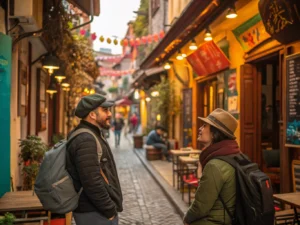
The first few hours can feel a little like the first day at a new school. People are polite, names blur together, and everyone is quietly assessing whether they packed the right shoes. That usually changes quickly. Shared travel creates easy openings for conversation, whether you are comparing restaurant recommendations or laughing about a surprise rain shower.
You do not need to be the most outgoing person in the group. A simple introduction, a question about someone’s home city, or an offer to take a photo is enough. Group tours work especially well for travelers who want company without the pressure to make every social moment happen on their own.
Your tour director or local guide will also become an important part of the experience. The best guides do more than point out famous buildings. They explain the everyday traditions, hidden details, and local context that turn a pretty view into a story you remember. Listen for their recommendations during free time. A small bakery, a family-run shop, or a scenic side street may become the moment you talk about most when you return home.
How to Be a Great Travel Companion
Group travel runs more smoothly when everyone brings a little flexibility. You do not have to surrender your personality or follow every group activity, but consideration goes a long way.
Arrive on time for departures, especially on transfer days. Keep your luggage manageable, respect the guide’s instructions in busy places, and let people move at their own pace when there is free time. If you have dietary needs, mobility concerns, or a celebration planned during the trip, share that information with the tour company early rather than hoping it can be solved on the spot.
It also helps to release the idea of a perfect trip. A delayed bus, unexpected weather, or a restaurant change may happen. Often, those small detours create the most genuine memories: an impromptu stop for hot chocolate, a new route through a historic district, or a conversation with fellow travelers you would never have met otherwise.
Pack for Ease, Not for Every Possibility
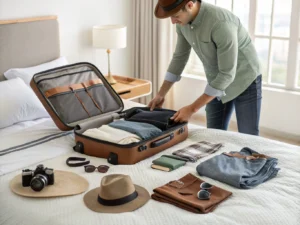
Overpacking is one of the quickest ways to make a multi-stop tour feel harder than it needs to be. You will likely be moving bags in and out of vehicles, through hotel lobbies, and across uneven pavement. Choose versatile layers, comfortable walking shoes that you have already worn in, and a small day bag for water, sunscreen, medications, and a light jacket.
Bring one outfit that feels a little more polished for a special dinner or evening out, but keep the rest practical. If your itinerary includes sacred sites, pack clothing that covers shoulders and knees when required. A portable charger and a reusable water bottle are small additions that can make long sightseeing days much easier.
Most importantly, keep essential documents, medications, and one change of clothes in your carry-on. Lost luggage is uncommon, but beginning your trip prepared protects your peace of mind.
Make the Itinerary Your Own
A tour gives you a framework, not a script you have to perform. During free time, choose one small experience that reflects your interests. Food lovers might seek out a regional dish recommended by the guide. Art fans may spend an extra hour in a gallery. Families might skip another shop in favor of a park, gelato stop, or local playground where kids can simply be kids.
You do not need to see everything to travel well. In fact, trying to do too much can keep you from noticing what is already in front of you. Take a few photos, then put the phone away. Order the unfamiliar pastry. Step into the quiet church, bookstore, garden, or courtyard that is not on the itinerary. Those are often the places where a destination becomes more than a place you visited.
A First Time Group Tour Guide to Booking With Confidence
Before you commit, review what is included and what will cost extra. Airfare, tips, optional excursions, airport transfers, meals, travel insurance, and single-room supplements can change the real price of a tour. A lower upfront rate is not always the better value if the itinerary leaves out experiences that matter to you.
Read the daily schedule carefully, then picture yourself living it. Does the pace feel energizing? Are there stays long enough to settle into a place? Does the tour balance recognizable highlights with moments beyond the usual roads? If the answer is yes, you may have found a trip that delivers both convenience and discovery.
Your first group tour is not about handing over control of your vacation. It is about making more room for the part that matters: being fully present when a new place surprises you, and creating stories that stay vivid long after you are home.